English is one of the most spoken languages in the world and is often considered the lingua franca (default language used in groups of people who do not share a first language) in many situations. But did you know English has borrowed a lot of words from other languages. Here 10 every-day non-food words we get from Spanish.
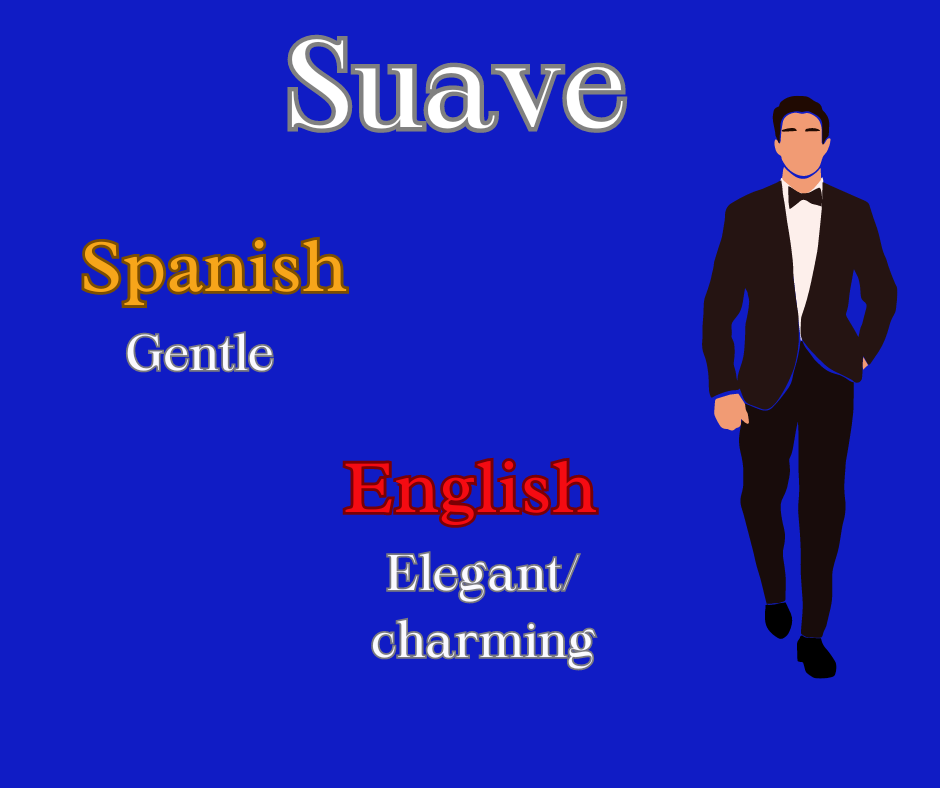
1. Suave
In English, this means smooth, charming and elegant, usually used to describe men, as in the suave performer charmed the audience. In Spanish, it means smooth, but also gentle and also soft (It is an instruction I give to my infant son when he wants to stroke the dog) .
2. Cargo
In English, this is the goods that are transported, which comes from the Spanish cargar, meaning to hold.
3. Vigilante
We hear this word and think of comic book characters like Batman or The Avengers, those who take the law into their own hands, but in Spanish, the original definition is a lot less dramatic. It means watchman or security personnel.

4. Embargo
Following on from number 2, Embargo comes from the Spanish embargar meaning “to seize”.
5. Breeze
Spend any time in the UK or Ireland you will be very familiar with this word, but did you know it has Iberian origins? It comes from the old Spanish and Portuguese briza/brisa meaning North East winds.
6- Mosquito
I will admit, it took me way too long (maybe 15 years of learning Spanish) to link mosquito to the “mosca” and the diminutive “ito” to get the translation of “little fly” in English

7. Spaniel
Ok this one is a cheat. It’s not actually Spanish, but it means Spanish. Originally from the latin hispaniolus, becoming espaigneul in old french to meaning Spanish dog.
8. Macho
In English, this means overly masculine, often with negative connotations and accompanied by another member of its word family machismo, in Spanish, macho simply means male, with machismo taking the same meaning of sexism.
9.Fan
Fan as in someone who loves something, not the thing we use on a hot day, comes from the Spanish aficionado meaning to inspire affection.
10. Guerilla
In English it’s pronounced gorilla. In Spanish, this means little war, which sounds like a very euphemistic way to describe this type of combat.